



 Chernivtsi region,
  +38 (050) 50 50 103
 Mon.-Fri.: 08:00-20:00,
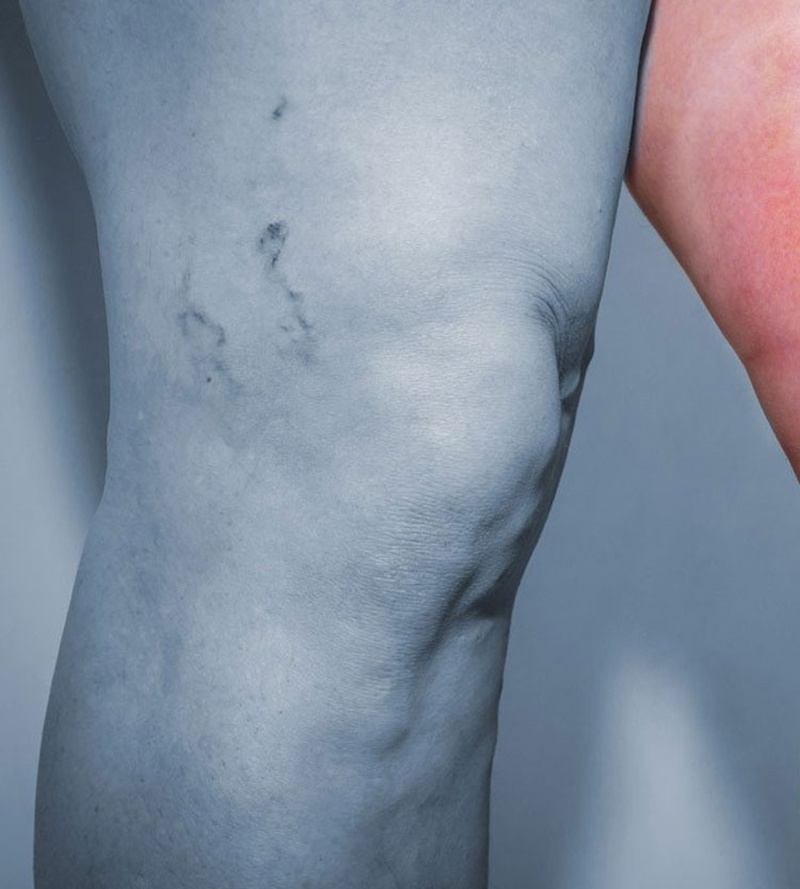
Varicose veins are pathological varicose veins on the surface that are characterized by an increase in their diameter and length, resulting in a cylindrical, serpentine, sac-like, and mixed type of venous trunk change.
The disease is chronic with progressive and irreversible changes in the subcutaneous, communicative and deep veins, and as a consequence, in the skin and soft tissues of the extremities. Mostly the disease manifests itself at a young age and only progresses over time, it is impossible to completely stop this process. The incidence of the disease is from 13 to 25% of the adult population. Women get sick three times more often than men. This is mainly due to the anatomical features of the body and certain loads on the lower extremities during pregnancy. The "pathological circle" that develops in varicose veins leads to constant dilation of the walls of the veins, increasing their lumen, and therefore deepens the insufficiency of the valvular apparatus and causes retrograde discharge of venous blood, its stagnation, trophic disorders in the tissues of the extremities. Refusal of timely treatment inevitably leads to complications. These are mostly acute thrombophlebitis of superficial veins, acute thrombosis of the deep veins of the lower extremities, post-thrombophlebitis syndrome (PTFS), bleeding from varicose veins, and so on. The most dangerous complication of varicose veins is the development of acute thrombophlebitis in altered subcutaneous veins, which can lead to fatal pulmonary embolism and death.
To date, the "gold standard" in the diagnosis of varicose veins of the lower extremities is ultrasound Doppler, which detects valvular insufficiency and the presence of reflux (reverse blood flow) in the subcutaneous and communicating veins.
Surgical treatment for varicose veins is carried out in the phase of decompensation, especially if there are complications. Surgery is the only radical treatment that helps the patient recover. Contraindications to surgical treatment are severe concomitant diseases of the cardiovascular system, lungs, liver, kidneys. Surgical treatment is also contraindicated during pregnancy, it is not performed in exhausted elderly people, with purulent-septic diseases.
| Doctor | Name | Specialization | Reception time (Sunday) |
|---|---|---|---|
 |
Marchuk Roman Yuriyovych | Vascular surgery | - |