


 Chernivtsi region,
  +38 (050) 50 50 103
 Mon.-Fri.: 08:00-20:00,

Intervertebral disc herniation
Intervertebral hernia is a serious disease of the spine, the cause of which is insufficient nutrition of the intervertebral disc, which provokes its rupture and release of contents into the spinal canal. This phenomenon leads to back pain, inflammation and pinching of nerve endings.
The cause of an intervertebral disc herniation can be a spinal injury, excessive exercise or age-related changes.
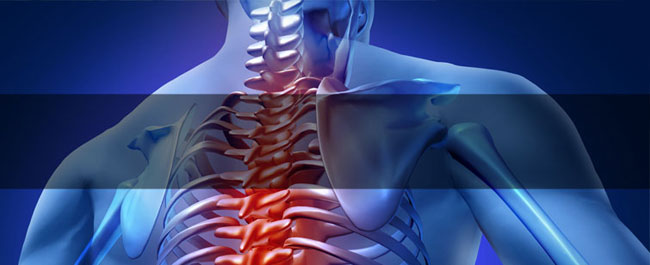
Symptoms of an intervertebral disc herniation
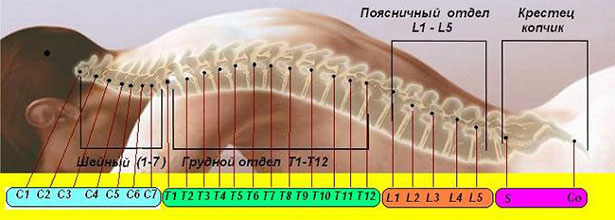
Intervertebral disc herniation manifests itself mainly in the form of back pain. The location of the pain depends on the location of the hernia: in lumbar spine hernia, the pain will be focused in the lower back and give ("shoot") in the leg. Maybe even partial numbness of the leg from the thigh to the foot. Hernia of the upper spine is characterized by pain in the upper back, giving in the arm and shoulder. With any type of intervertebral hernia, the pain is acute and occurs suddenly, with a sharp tilt or turn. The general mobility of a backbone also decreases. Dizziness is possible (especially in the presence of a hernia of the upper back), a slight rise in temperature, difficulty breathing and general weakness. Intervertebral hernia of the cervical region is also characterized by constant headaches and pain at the base of the neck.
Treatment of intervertebral hernia
Diagnosis of intervertebral disc herniation is performed by a neurologist using computed tomography. Conducting a comprehensive examination is important to obtain a general picture of the disease and the appointment of individually selected treatment of intervertebral hernia. Any course of treatment for intervertebral hernia includes the use of painkillers and anti-inflammatory drugs. It is also recommended to use drugs that relieve muscle spasms. Surgical treatment (intervertebral hernia surgery) is indicated only in cases where conservative treatment has not given pronounced positive results. Intervertebral hernia surgery is performed mainly in the presence of cervical hernia: the development of the disease can lead to disability and partial or even complete loss of motor ability. In addition, when removing an intervertebral hernia, surgery does not eliminate the cause of the disease, so there is a high probability of recurrence.
To date, there are many methods of non-surgical treatment of intervertebral hernia, which, when used comprehensively, give positive results. The main method of treatment is stretching (traction) of the spine, in combination with reflexology, physiotherapy and chiropractic.
Surgical treatment of intervertebral hernia
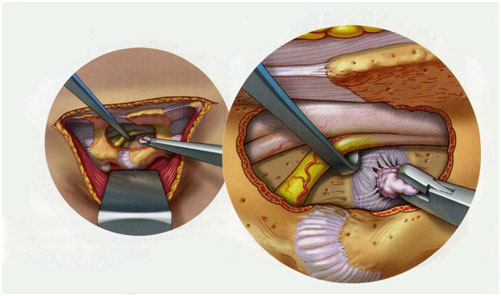
Hernia removal surgery is indicated in cases where the patient is in severe pain and there is a high risk of developing neurological disorders. Lumbar spine hernia may require emergency surgery if it causes the patient to have increasing pain in the lower abdomen and thighs or lower legs, as well as urinary incontinence (cough) and decreased potency (in men). Operations to remove an intervertebral disc herniation are performed using microsurgical (microdiscectomy) or endoscopic techniques. Operations are performed under general anesthesia and allow minimal surgery to be performed clearly in the damaged area without affecting the surrounding tissues. The time of surgery to remove an intervertebral disc herniation is up to two hours. The rehabilitation period in the hospital with microdiscectomy is about a week, and in three weeks the patient can return to normal life. At endoscopic operation of an intervertebral hernia the patient spends three days in a hospital. The term of full rehabilitation is one week.
Postoperative rehabilitation
After surgery to remove an intervertebral hernia, the patient should adhere to certain restrictions. It is recommended to wear a corrective corset for two months after lumbar intervertebral hernia surgery to form the correct posture. For three months after the operation, it is undesirable to spend a long time behind the wheel of a car or sit on public transport (as in this case, the spine is exposed to additional constant vibrations). It is recommended for three or four months not to lift heavy objects (weighing more than 5 kg) and rest every day in a supine position 2-3 times a day for 30 minutes. After surgery to remove an intervertebral hernia (especially lumbar hernia) for 3-4 months you can play sports (football, volleyball, tennis, etc.), as well as cycling and horseback riding. Patients who underwent surgery to remove the intervertebral disclumbar hernia, treatment and rehabilitation course for complete recovery is recommended to extend up to six months. It is recommended to quit smoking and not to drink alcohol during the rehabilitation period.
| Doctor | Name | Specialization | Reception time (Sunday) |
|---|---|---|---|
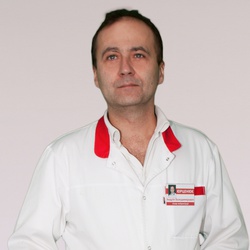 |
Yurtsenyuk Andrey Vladimirovich | Traumatology and Orthopedics | - |